
Top Waterproofing Products to Protect Your Property Effectively
Explore the leading waterproofing solutions designed to prevent leaks, moisture damage, and ensure long-lasting protection.
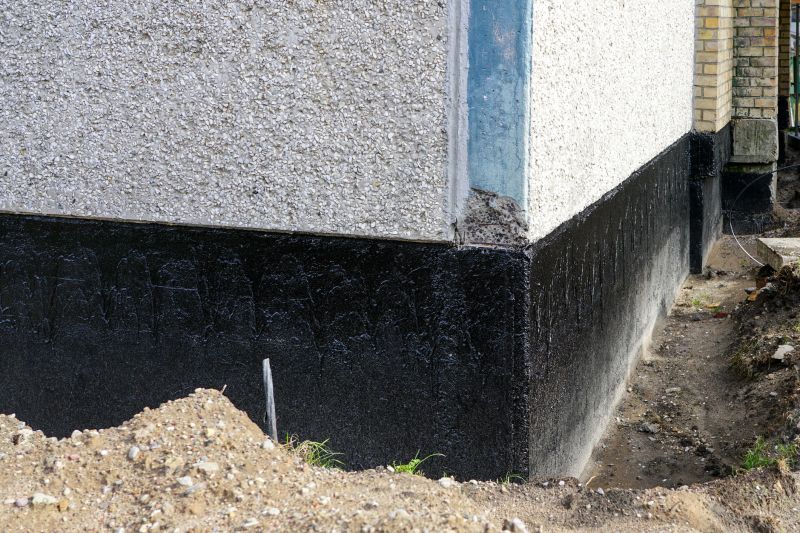 In Smyrna, GA, where moisture control is essential for maintaining the integrity of structures, selecting the right waterproofing products can make a significant difference. Waterproofing solutions are designed to prevent water ingress in various applications, including basements, roofs, foundations, and walls. With a diverse range of options available, understanding the features and appropriate use cases of each product type is crucial for effective application. Proper waterproofing not only safeguards properties from water damage but also helps in maintaining indoor air quality and structural stability.
Top Overall Option
Flexible Waterproofing Membrane
A versatile and adaptable waterproofing membrane that provides a seamless barrier against water intrusion. Suitable for various applications including foundations, roofs, and walls, it offers excellent flexibility to accommodate movement and settling. This type of membrane is often easy to apply, adhering well to different surfaces and forming a durable, long-lasting seal. Its compatibility with other waterproofing systems makes it a popular choice for comprehensive moisture protection.
Types of Products For Waterproofings
Liquid Waterproof Coatings
Applied as a liquid that cures to form a seamless, rubber-like membrane, ideal for roofs and walls.
Bituminous Membranes
Self-adhesive or torch-applied sheets commonly used for foundation and roof waterproofing.
Crack Sealants
Specialized sealants designed to fill and seal cracks in concrete and masonry surfaces.
Waterproofing Paints
Coatings that can be painted onto surfaces to create a water-resistant barrier.
Cementitious Waterproofing
Pre-mixed cement-based products suitable for basements and water tanks.
Spray-On Waterproofing
Spray-applied membranes for quick and uniform coverage on large surfaces.
Polyurethane Coatings
Flexible coatings that provide high durability and water resistance for roofs and decks.
Rubberized Coatings
Thick, elastic coatings ideal for sealing irregular surfaces and joints.
Sheet Membranes
Pre-fabricated sheets that are adhered or mechanically fastened for waterproofing foundations and roofs.
Hydrostatic Pressure Barriers
Specialized membranes designed to withstand soil pressure and groundwater movement.
Sealant Tapes
Flexible tapes used to seal seams and joints in waterproofing systems.
Epoxy Waterproofing
High-strength coatings for concrete and masonry surfaces exposed to water.
Polyurea Coatings
Rapid-curing, highly elastic coatings suitable for industrial and commercial applications.
Waterproofing Additives
Additives mixed into concrete or mortar to enhance water resistance.
Drainage Boards
Protective layers that facilitate water drainage away from structures.
Vapor Barriers
Materials designed to prevent moisture vapor transmission through walls and floors.
Popular Choices
Widely used for their ease of application and seamless coverage on various surfaces.
Commonly selected for foundation and roof applications due to their proven performance.
Popular for quick repairs and preventing water seepage through existing cracks.
Chosen for their convenience and ability to be applied over large areas efficiently.
Favored for their flexibility and durability in high-traffic or exposed areas.
Valued for their elastic properties and ability to seal irregular surfaces.
Preferred for their reliability and ease of installation in foundational waterproofing.
Selected for situations where groundwater pressure is a concern.
Popular for sealing joints and seams in complex waterproofing systems.
Commonly used in industrial settings for its strong adhesion and resistance.
Chosen for fast-curing applications requiring high elasticity and durability.
Frequently installed to improve water flow away from foundations.
Different environments and building types require tailored waterproofing approaches. For instance, below-grade waterproofing needs to withstand soil moisture and hydrostatic pressure, while roof waterproofing must endure weather exposure and UV radiation. Choosing the right product involves considering the specific conditions of the area to be protected, the longevity of the solution, and compatibility with existing materials. A comprehensive understanding of these factors can help property owners and contractors make informed decisions.
In addition to the technical specifications, ease of application and maintenance requirements are important considerations. Some products are designed for DIY projects, offering simple application methods, while others may require professional installation to ensure optimal performance. Regular inspections and timely reapplication can extend the effectiveness of waterproofing measures, ultimately preserving the property's value and functionality over time. Whether sealing cracks, coating surfaces, or creating barrier membranes, the right waterproofing products are vital components of a durable and resilient structure.
Key Buying Considerations
- Identify the specific area to be waterproofed, such as roof, foundation, or wall.
- Assess the environmental conditions, including exposure to weather, soil moisture, or hydrostatic pressure.
- Determine whether a liquid, sheet, or spray-on product best suits your project needs.
- Check the compatibility of the waterproofing material with existing surfaces and materials.
- Consider ease of application, especially if planning a DIY project or professional installation.
- Review the expected lifespan and reapplication requirements of the product.
- Evaluate the flexibility and movement accommodation features of the waterproofing solution.
- Look into the product's resistance to UV rays, chemicals, and weathering if applicable.
- Ensure the product has appropriate certifications or standards compliance for safety and performance.
- Understand the maintenance and inspection routines necessary to sustain waterproofing effectiveness.
- Consider the size and coverage area of the product to match your project scope.
- Review the drying and curing times to plan your installation schedule accordingly.
- Check for compatibility with other waterproofing or building materials used in your project.
- Evaluate the cost relative to the expected durability and performance benefits.
- Consult with professionals or read user reviews for insights on application experiences.